- Developer
- Aeolian codeLab
- Installs
- 50+
- Downloads
- 0
- Views
- 3
- Updated
- Nov 7, 2026
Screenshots
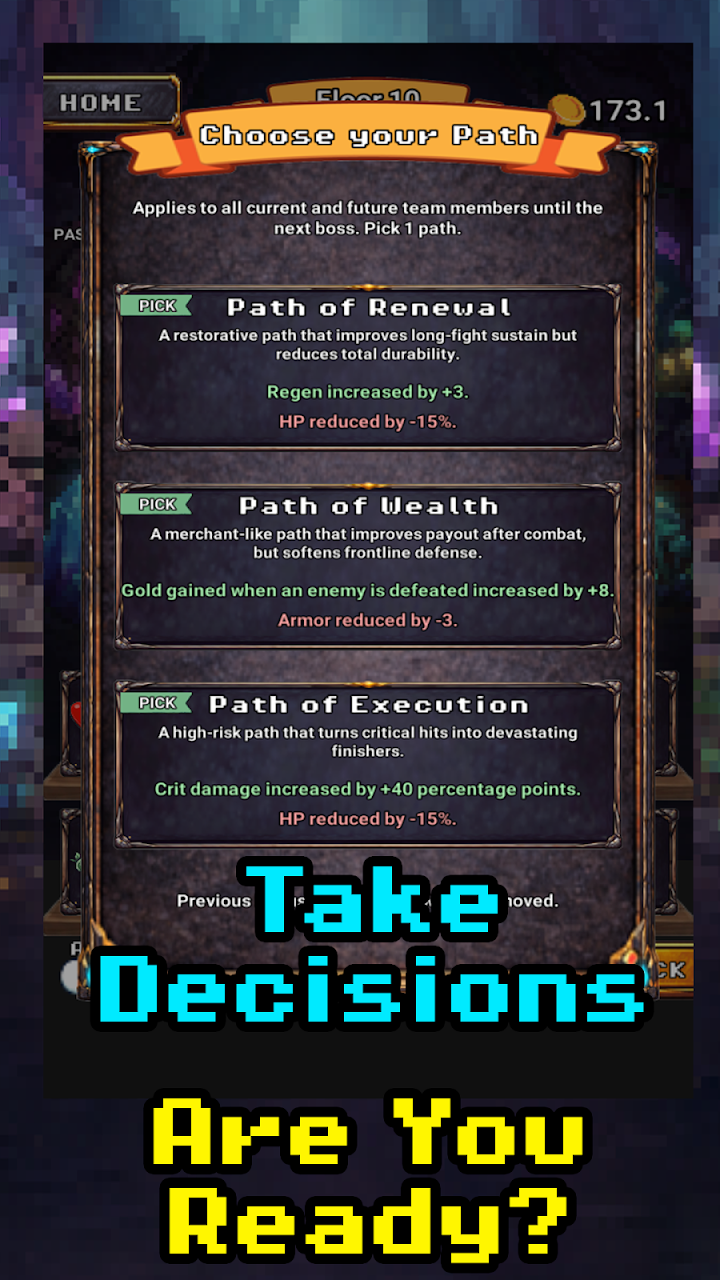
About ObjectRogue: Roguelike RPG
ObjectRogue: How a Roguelike Turns Everyday Objects into Tactical Recruits
Editorial note: This is an independent informational overview based on the developer’s own description of the game. It is not an official game page and is not affiliated with, endorsed by, or operated by the developer or publisher.
Author: [Your Name] | Last updated: [Date]
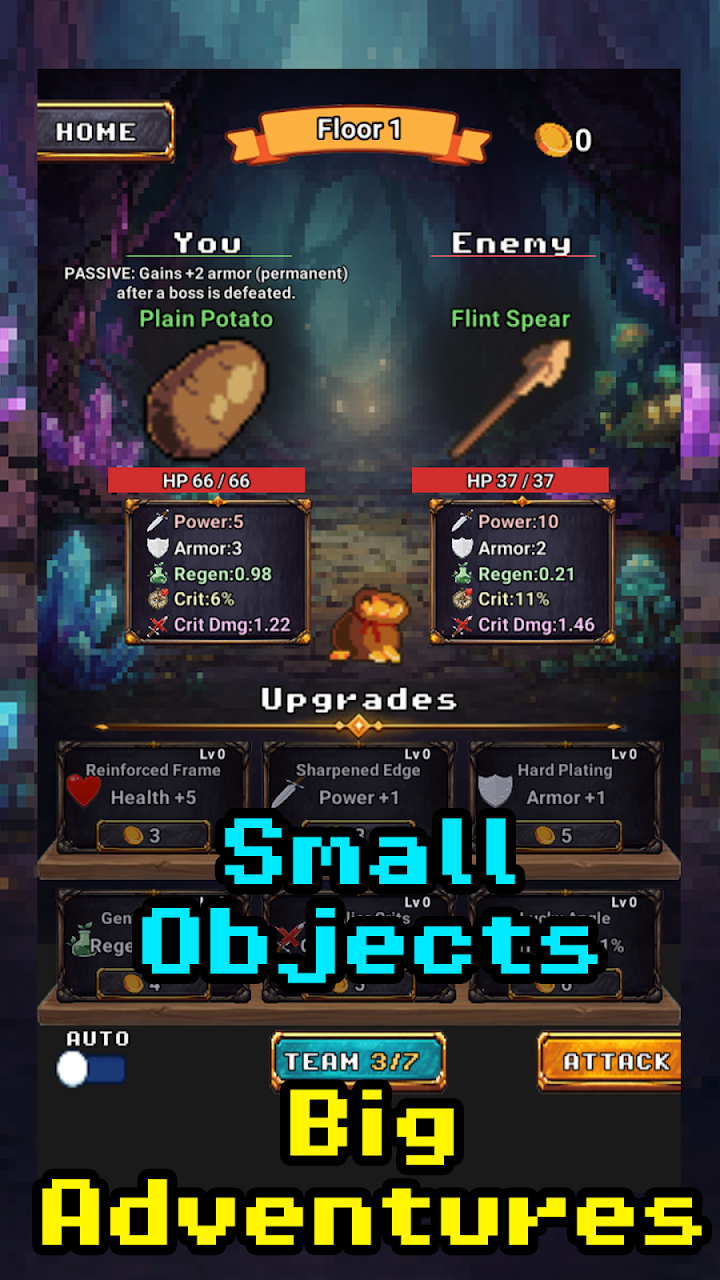
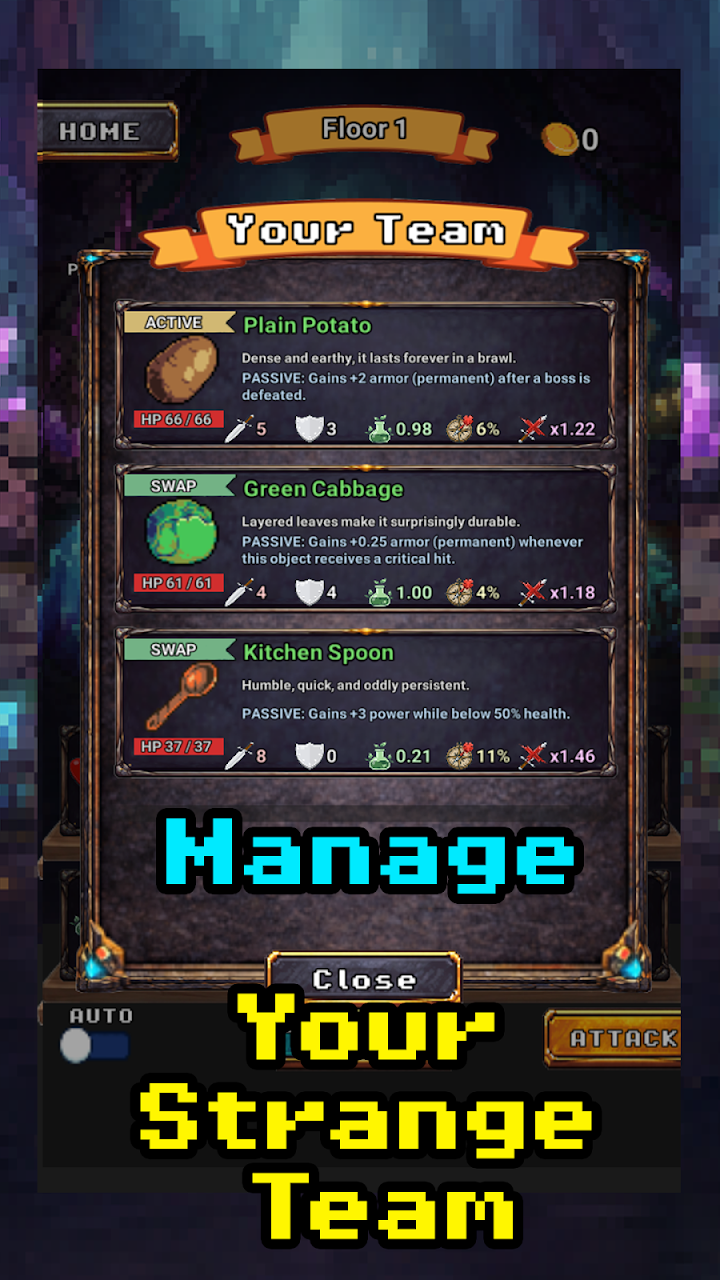
ObjectRogue is an offline tactical roguelike RPG where your party is made up of everyday objects. Instead of warriors and mages, you recruit entities like a Plain Potato, a Fire Pepper, or a Green Cabbage. The game combines dungeon crawling, team-building synergies, and the permanent-death mechanics typical of the roguelike genre.
Roguelikes are heavily reliant on how well their systems interact, and this game’s central twist—turning random objects into tactical units—is a distinct design choice. This overview explains how the core loop works, what the post-battle decisions involve, and what to consider before playing.
The Core Loop and the Post-Battle Choice
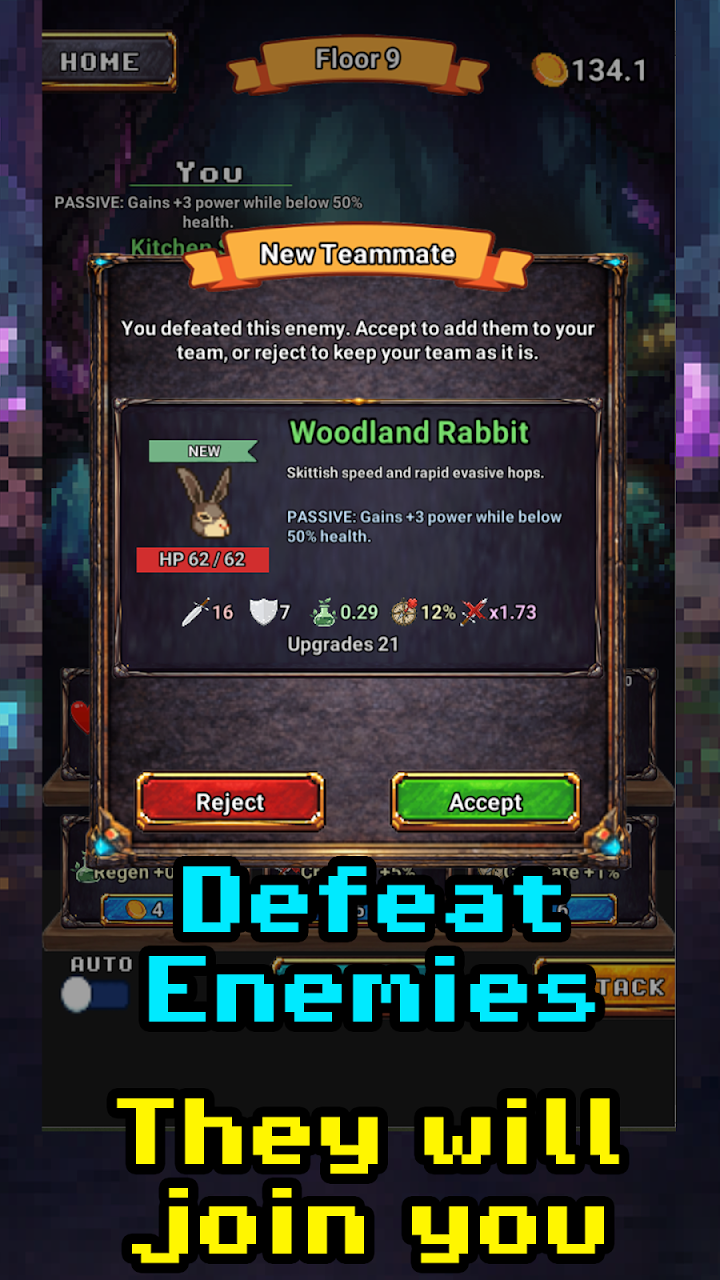
The most interesting mechanic in the developer’s description is what happens after you win a battle. Instead of simply moving to the next room, you are presented with a meaningful decision. After every victory, you must choose between three actions:
- Upgrade your existing team members.
- Repair damaged allies.
- Recruit the strange enemy you just defeated.
This creates a constant opportunity cost. If you spend resources repairing a heavily damaged potato, you might miss the chance to recruit a rare object that just dropped. If you recruit a new unit, your existing team might remain wounded for the next floor. This triad of choices is what drives the tactical pacing of the game, forcing you to weigh immediate survival against long-term team composition.
Team Synergies and the Roster
The developer states there are nearly 200 collectible objects to discover, ranging from common to legendary rarity. Each object has its own stats and passive abilities. The core gameplay relies on combining these abilities—such as armor, power, healing, regeneration, shields, and critical hits—to create synergies.
In roguelikes, synergies usually mean that two or more items or characters become more powerful when used together than they would be on their own. Because your party is limited in size, choosing which objects to keep and which to leave behind becomes a puzzle of its own. The rarity system introduces another layer: a legendary object might have better base stats, but a common object might have a passive ability that perfectly complements your current team.
Dungeon Progression and Bosses
Gameplay is structured around climbing a dungeon floor by floor. Along the way, you earn gold and visit shops where you can spend it on healing, reviving fallen objects, or strengthening your team.
The developer notes that a boss battle occurs every 10 floors. This gives the dungeon a predictable rhythm—you know a major challenge is coming, which allows you to save gold or hold onto specific items in preparation. As you climb, enemies become increasingly dangerous. The goal is to see how far your best team composition can go before it is defeated.
Roguelike Elements and Replayability
In ObjectRogue, your team changes depending on the objects you discover and recruit in a given run. The developer emphasizes that every run is different and encourages experimenting with unusual combinations.
The game also includes an unlockable progression system. As you discover and defeat more objects, you fill out a collection. Doing so unlocks extra game modes, including "Random Classic" and "Extreme Classic," which presumably alter the rules or difficulty for players who want a new challenge after mastering the base game.
Offline Play and Online Leaderboards
The developer specifically highlights that the game is playable offline. You do not need an internet connection to run through the dungeon, which makes it suitable for commuting or travel.
However, the description also mentions that you can sign in to compete on a leaderboard. This creates a hybrid model: the core gameplay is entirely local, but you need an account and a connection if you want to compare your climbs with other players. If you prefer to avoid accounts and data sharing, you can simply ignore the leaderboard features and play entirely offline.
Practical Considerations Before Playing
- Check Monetisation: The description does not state whether the game is free, paid, or contains in-app purchases or ads. Check the store listing to see how the game is funded.
- Roguelike Difficulty: Roguelikes generally involve permanent death or significant loss of progress upon failure. If losing a long run is frustrating for you, check if the game offers difficulty settings or meta-progression that softens the blow.
- RNG Dependence: Because your team is built from objects you find in the dungeon, some runs will be luckier than others. Success often depends on adapting to the items the game gives you, rather than forcing a specific team build every time.
- Account Requirements: If leaderboards are important to you, verify what type of account is required to sign in and what data is collected.
Who Might Enjoy It
ObjectRogue is likely to appeal to players who enjoy tactical RPGs where team composition matters more than reflexes. It will also suit fans of roguelikes who appreciate unusual themes and want a game they can play offline.
It is less suited to players looking for a deep narrative, a traditional high-fantasy setting, or a game that relies on real-time action. The appeal here is in the math, the synergies, and the strategic choices made after each battle.
Frequently Asked Questions
What type of game is ObjectRogue?
It is an offline tactical roguelike RPG and dungeon crawler where you build a party from everyday objects.
Can I play it offline?
Yes. The developer states the game is playable without an internet connection. A connection is only needed if you want to use the online leaderboard features.
How many objects are there?
The developer states there are nearly 200 objects to discover, recruit, and collect, ranging from common to legendary rarity.
What happens when I defeat an enemy?
According to the developer, you are given a choice to upgrade your team, repair damaged allies, or recruit the defeated enemy into your party.
Is there a boss in the game?
Yes. The developer states that a boss battle occurs every 10 floors.
Does it have multiplayer?
The description does not mention real-time multiplayer. It mentions signing in to compete on an online leaderboard.
What are the unlockable modes?
The developer mentions "Random Classic" and "Extreme Classic" modes that are unlocked by filling your collection as you play.